Smartwatch Buying Guide: Fitness, Style, Battery Life Explained
Choosing a smartwatch in 2026 is no longer about simply picking a popular brand or a device with the longest feature list. Smartwatches have evolved into powerful personal companions that influence health, fitness, productivity, communication, and even personal style. This smartwatch buying guide is designed to give you a complete understanding of how to choose the right smartwatch by focusing on the three factors that matter most. Fitness capabilities, design and style, and battery life. If you are looking for a quick answer before reading the full article, here is the essential takeaway. The best smartwatch in 2026 is the one that matches how active you are, how you dress, and how often you want to charge your device. Everything else in this guide expands on that idea in detail, helping you make a confident and informed decision.

Understanding the Role of a Smartwatch in 2026
A smartwatch today is far more than a digital clock or a notification screen. In 2026, smartwatches function as health monitors, fitness trackers, productivity assistants, and lifestyle accessories. This evolution has changed how buyers should approach the decision. A smartwatch is worn all day, often all night, and interacts constantly with the user. That makes the buying decision more personal and more complex than ever.
Modern smartwatches continuously collect data about movement, heart rate, sleep patterns, stress levels, and daily habits. Advanced software processes this information and turns it into insights that can help users improve their health and efficiency. At the same time, smartwatches are expected to look good, feel comfortable, and integrate seamlessly with smartphones and other devices.
This is why a smartwatch buying guide is essential. Without understanding how these devices fit into daily life, it is easy to buy a smartwatch that looks impressive on paper but fails to deliver long term satisfaction.
Smartwatch Buying Guide: Fitness Features and Health Tracking
Fitness tracking is one of the main reasons people buy smartwatches, but not all fitness features are created equal. This section of the smartwatch buying guide explains what fitness capabilities actually matter and how to evaluate them based on your goals.
Basic fitness tracking includes step counting, calorie estimation, and activity recognition. These features are suitable for users who want general awareness of their daily movement. However, many smartwatches now offer advanced metrics such as heart rate variability, training load, recovery time, and cardio fitness estimates. These tools are more valuable for users who train regularly or want deeper insight into their physical performance.
Health monitoring has also become a major focus. Continuous heart rate tracking, blood oxygen measurement, sleep stage analysis, and stress detection are now standard on many devices. Some smartwatches include advanced sensors that can detect irregular heart rhythms or provide electrocardiogram readings. While these features should not replace medical advice, they can encourage healthier habits and early awareness.
Accuracy and consistency are critical. A smartwatch that provides reliable data over time is more useful than one that offers many metrics with questionable accuracy. Software interpretation matters just as much as sensors. Clear visualizations, trend analysis, and practical recommendations make fitness data easier to understand and act on.
When choosing the right smartwatch, consider how serious you are about fitness and health tracking. Casual users may prefer simplicity, while athletes and health focused users benefit from deeper analytics and customization options.
Design, Comfort, and Style in Everyday Use
Because a smartwatch is worn for long periods, design and comfort play a major role in overall satisfaction. This aspect of the smartwatch buying guide focuses on how style and ergonomics influence daily use.
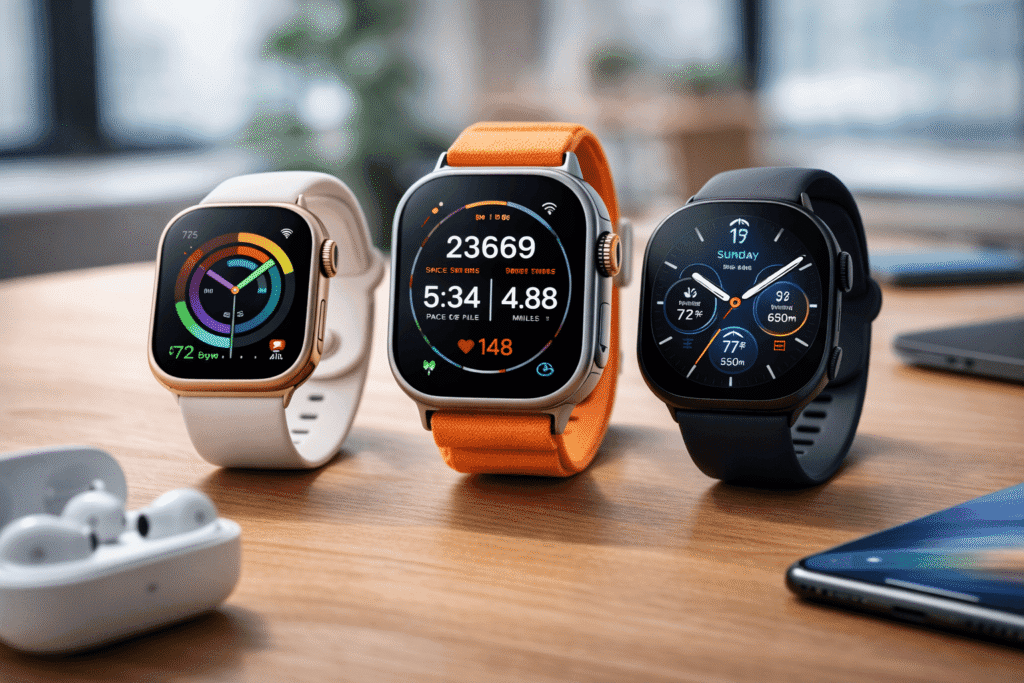
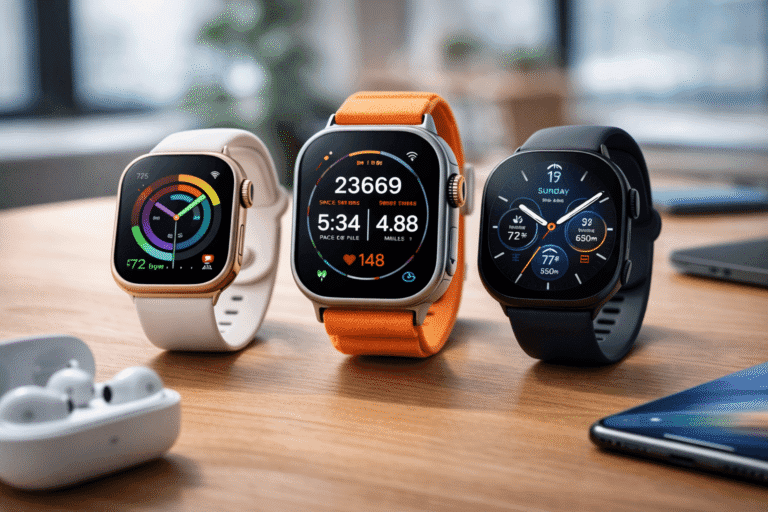
Smartwatches come in a wide range of designs, from sporty and rugged to elegant and minimalist. Some models resemble traditional watches, making them suitable for professional or formal settings. Others emphasize lightweight materials and bold colors for active lifestyles. The right choice depends on where and how you plan to wear the smartwatch.
Comfort is influenced by size, weight, thickness, and strap material. A bulky smartwatch can feel uncomfortable during extended wear or sleep tracking. Lightweight designs with breathable straps are generally more comfortable for all day use. Interchangeable bands add flexibility, allowing users to adapt their smartwatch to different occasions without changing the device itself.
Display quality also affects comfort and usability. Brightness, clarity, and responsiveness are important, especially for outdoor use. Larger displays are easier to read but may increase size and weight. Always on displays improve convenience but can impact battery life.
A smartwatch that feels good and looks appropriate for your lifestyle is more likely to be worn consistently, which increases its overall value.
Battery Life and Daily Charging Experience
Battery life is one of the most critical and misunderstood factors when choosing a smartwatch Smartwatch Buying. This section of the smartwatch buying guide explains why battery performance directly affects convenience and long term satisfaction. Some smartwatches are designed for maximum performance and advanced features, which often results in shorter battery life. Others prioritize efficiency and simplicity, allowing them to last several days or even weeks on a single charge. Neither approach is universally better. The right choice depends on how you use the device.
Charging frequency matters more than raw battery capacity. A smartwatch that needs daily charging may be acceptable for users who already charge devices every night. For others, especially those who rely on sleep tracking, frequent charging can be inconvenient. Fast charging helps mitigate this issue by providing enough power in a short time.
Manufacturer battery claims often reflect ideal conditions. Real world usage, including screen brightness, notifications, workouts, and background tracking, can significantly reduce battery life. When evaluating battery performance, look for realistic expectations rather than maximum advertised numbers.
Software Experience, Ecosystem, and Long Term Value
The software experience is what transforms a smartwatch from a gadget into a reliable daily companion. This final section of the smartwatch buying guide focuses on software quality, ecosystem integration, and long term value.
Smartwatches work best when they integrate smoothly with smartphones, apps, and cloud services. Choosing a smartwatch that matches your existing ecosystem improves usability and reduces friction. App availability also matters. Fitness platforms, productivity tools, and customization options extend the usefulness of a smartwatch over time.
Software updates are essential. Regular updates improve accuracy, add features, and enhance security. A smartwatch with strong long term support remains relevant for years, while one without updates can feel outdated quickly. When choosing the right smartwatch, consider how long the manufacturer typically supports its devices.
Long term value also includes durability and relevance. A well built smartwatch with balanced features and ongoing support often provides better value than a device that focuses on short term innovation at the expense of longevity.
Final Thoughts on Choosing the Right Smartwatch: Smartwatch Buying Guide
This smartwatch buying guide shows that fitness, style, and battery life are interconnected factors that shape the overall smartwatch experience. Understanding how these elements work together allows you to choose the right smartwatch with confidence.
In 2026, smartwatches are more capable and more diverse than ever. That makes the buying process more complex, but also more rewarding when done thoughtfully. Focus on how the smartwatch fits your lifestyle, how it supports your goals, and how it feels in daily use.
The best smartwatch is not the one with the most features, but the one you enjoy wearing and using every day.