Global Buy Now Pay Later Expansion – Is BNPL Becoming a Normal Global Payment Method in 2025?
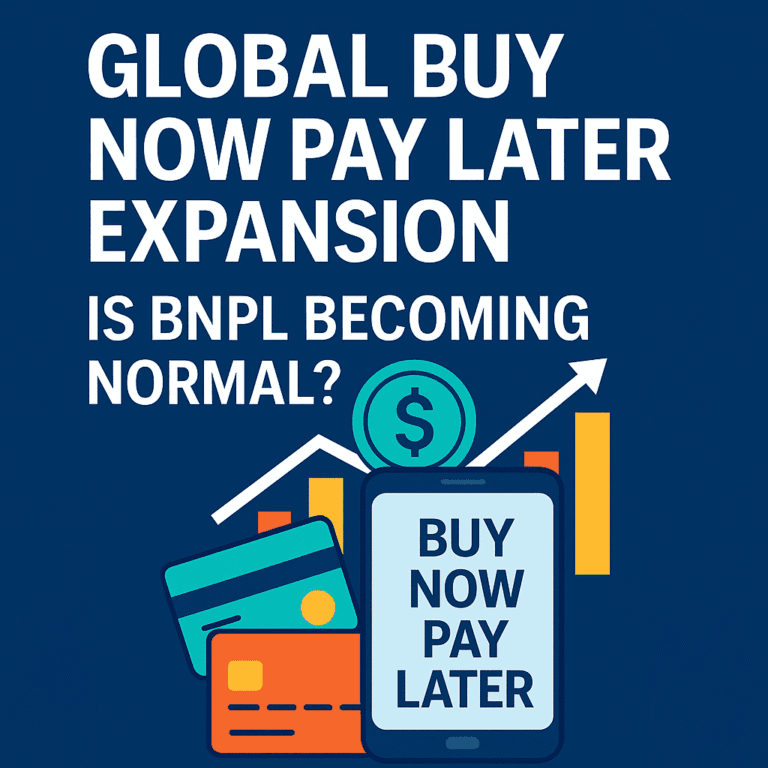
Buy Now Pay Later, also known as BNPL, has quickly transformed from a niche digital payment solution into a global financial movement that many consumers around the world now treat as a normal payment option. In recent years, Buy Now Pay Later services expanded rapidly through online markets, international platforms, and digital commerce, becoming a mainstream part of global checkout systems. This article explores how Buy Now Pay Later began, why BNPL expanded internationally, which companies influenced this expansion, and whether BNPL is now considered a standard payment method rather than a new financial experiment. Throughout this article, we analyze the global path of Buy Now Pay Later, the digital structure of BNPL platforms, the role of major providers, and the future expected adoption across international markets. Ultimately, this article explains why Buy Now Pay Later might be the next universal form of online payment and whether BNPL today can truly be viewed as a “normal” financial behavior around the world.
1. The Global Expansion of Buy Now Pay Later and the Rise of BNPL Worldwide
During the past few years, the world witnessed the rapid global expansion of Buy Now Pay Later, and this expansion did not happen accidentally. The global shift towards digital finance, online shopping, mobile applications, and e-commerce created a new demand for flexible payment models. Consumers were no longer satisfied with traditional credit cards or bank credit lines; instead, they searched for easier ways to make purchases without dealing with heavy banking processes.
This is exactly where BNPL became extremely valuable. The Buy Now Pay Later model introduced the possibility of separating payments into multiple installments without necessarily going through credit approval procedures. What made BNPL interesting was the promise of simplicity and speed. In most cases, a consumer only needed a few clicks to finish a purchase using Buy Now Pay Later without contacting any financial institution.
This model became even more relevant during the pandemic, when millions of people switched to online shopping and became comfortable with digital financial systems. As a result, BNPL expanded across Europe, the United States, Australia, Asia, and the Middle East, and gradually transformed into a global payment trend rather than a regional financial experiment.
It is important to understand that BNPL grew because consumers changed—not because companies forced a new payment system. Younger generations, especially individuals in their early twenties and thirties, started using Buy Now Pay Later because it feels modern, flexible, and digitally native. Many users today believe that BNPL belongs to a future where banking should be faster, simpler, and fully online.
As we analyze the BNPL global expansion, we see that the growth of Buy Now Pay Later followed the same path as e-commerce, and this suggests one very important conclusion: where online shopping grows, BNPL naturally grows with it.
2. Why Buy Now Pay Later Became an Alternative to Traditional Payment Methods
It is impossible to understand Buy Now Pay Later without first understanding why the world began searching for alternatives to credit cards and traditional financing models. Traditional payment methods often depend on long approval processes, banking history, and complicated financial documentation. Many consumers, especially younger ones, reject these systems because they feel outdated.
However, Buy Now Pay Later offers a completely different approach. Instead of applying for credit in advance, BNPL allows the user to purchase first and divide payment later. This approach eliminates the psychological fear of going into debt and gives consumers more control over spending.
Another reason BNPL replaced traditional payment methods is the digital nature of Buy Now Pay Later platforms. Approval inside BNPL usually depends on rapid identity validation and machine-learning-based risk analysis, meaning users get instant decisions without waiting for banks.
Most Buy Now Pay Later approvals happen inside the checkout process, not at the bank. This is why many consumers use BNPL not only because it is convenient, but because Buy Now Pay Later represents a different philosophy of financial freedom: buy without pressure, pay later in smaller pieces, and avoid traditional debt cycles.
Furthermore, BNPL platforms became deeply integrated into e-commerce websites such as Shopify, WooCommerce, Amazon, and other major platforms. This made Buy Now Pay Later appear naturally inside thousands of online stores, which normalized the presence of BNPL inside digital marketplaces.
In many countries, BNPL today is seen as a normal part of the checkout experience. Users see the Buy Now Pay Later button next to PayPal, Visa, Apple Pay, and other well-known payment methods.
For this reason, we can say that BNPL is no longer “new.” Buy Now Pay Later has already become a major part of digital retail culture.
3. Is BNPL Becoming a Normal Global Payment Method?
This question is now extremely relevant worldwide: Is Buy Now Pay Later becoming normal? The answer strongly depends on the region, however, globally speaking, BNPL has already reached a level where many international markets consider it a mainstream financial service.
There are multiple signs that prove BNPL has become normal in many parts of the world. First, consumers now expect Buy Now Pay Later inside major checkout systems. Second, BNPL platforms appear automatically inside online stores without users searching for them. Third, international fintech providers and even banks started launching their own Buy Now Pay Later services due to high global demand.
In some markets, especially in Europe and the United States, the question is no longer “Should we use Buy Now Pay Later?” but rather “Which BNPL option should we choose?” This shift indicates that BNPL became part of consumer behavior and not simply a technological financial service.
Another important element that demonstrates the normalization of BNPL is the presence of major global companies offering Buy Now Pay Later solutions. What started with fintech startups expanded into a full global industry. Today, millions of global transactions each year go through BNPL.
As long as more online stores provide Buy Now Pay Later as a recommended choice, consumers will continue adopting BNPL naturally as a default digital payment method. In many countries, younger generations believe BNPL is the modern way to pay online, and future generations may consider Buy Now Pay Later the most basic form of online payment.
All indicators suggest that BNPL is not only becoming normal but becoming necessary in modern digital economies.
4. How Major Companies Helped Make Buy Now Pay Later Global
One of the strongest reasons behind the huge expansion of Buy Now Pay Later is the presence of powerful international providers operating across dozens of countries. Companies such as Klarna, Affirm, Afterpay, and PayPal Pay Later changed the perception of BNPL by introducing Buy Now Pay Later to millions of users.
These companies did not just introduce BNPL services—they created a global culture around them. Instead of promoting Buy Now Pay Later as a financing service, these companies positioned BNPL as part of everyday online shopping.
Klarna in particular created massive BNPL awareness by collaborating with international brands, especially in fashion, electronics, and lifestyle categories. Meanwhile, Affirm cornered the American market and became a trusted brand for high-value purchases and digital electronics. Afterpay expanded globally from Australia to the United States and Europe, and PayPal, thanks to its global user base, instantly transformed Buy Now Pay Later into a worldwide payment category.
When PayPal entered the market, Buy Now Pay Later stopped being just a fintech experiment and became part of one of the most famous global payment systems in the world. This accelerated BNPL adoption across continents and allowed consumers in dozens of countries to use Buy Now Pay Later instantly without registering for new accounts.
From this point forward, BNPL was no longer tied to a specific region. Instead, Buy Now Pay Later became a global standard supported by technology companies, financial giants, and worldwide e-commerce platforms.
5. The Future of Buy Now Pay Later and the New Normal of BNPL
The future of Buy Now Pay Later will be defined by digital adoption and global online transformation. As long as the world continues shifting toward digital purchasing, subscription services, online marketplaces, remote work, and mobile applications, BNPL will keep spreading.
Experts expect BNPL to continue expanding into developing markets, especially in Asia, Africa, and Latin America, where millions of users rely on mobile-based financial services rather than traditional banking. Buy Now Pay Later also fits markets where credit card penetration is low, making BNPL more suitable than standard payment models.
The future will also include regulation, digital identity, and improved risk systems, making Buy Now Pay Later safer and more reliable. Using AI and machine learning, BNPL companies will reduce default risks, detect fraud, and provide instant identity approvals without requiring bank interaction.
Ultimately, Buy Now Pay Later is no longer a new idea—it became part of a global financial shift. The new generation expects BNPL to exist everywhere, and companies now adopt BNPL not because it is innovative, but because it is necessary for online growth. The next decade is expected to turn Buy Now Pay Later into one of the most widely used digital financial systems worldwide.
Conclusion
Buy Now Pay Later started as a small payment option and rapidly became a global financial revolution. Today, BNPL no longer appears as an optional payment feature—it appears as a mainstream digital payment method across international e-commerce platforms. The global expansion of Buy Now Pay Later demonstrates that the world is transitioning from traditional financial systems toward digital models that match the expectations of modern consumers. For millions of users, Buy Now Pay Later already feels completely normal, and BNPL continues to grow into a global digital habit rather than an emerging financial service.
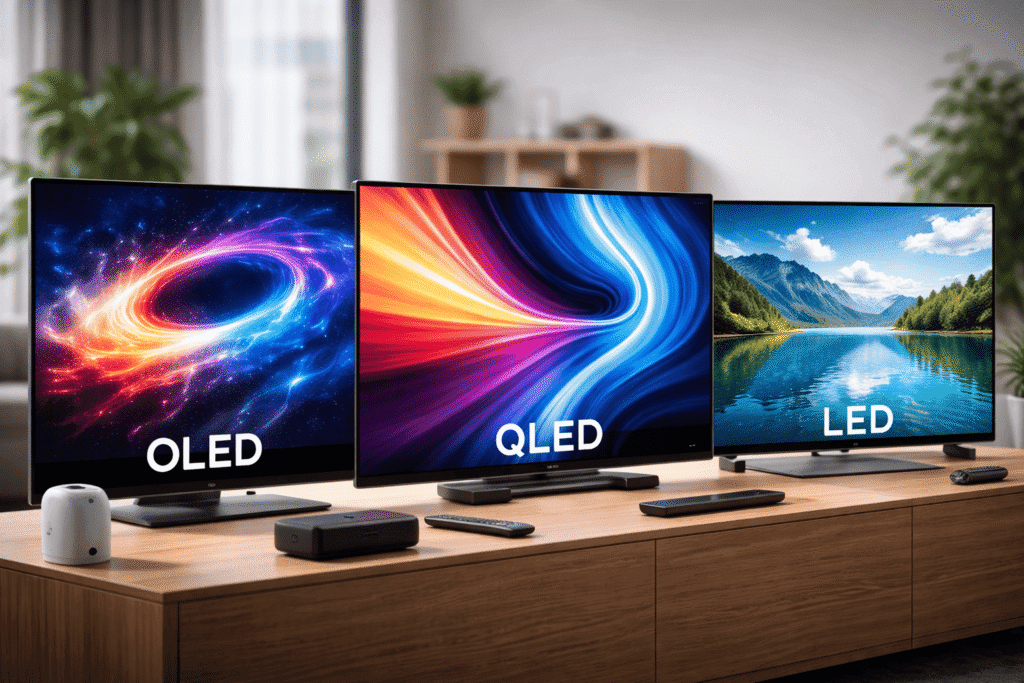
TV Buying Guide 2026: OLED vs QLED vs LED Explained
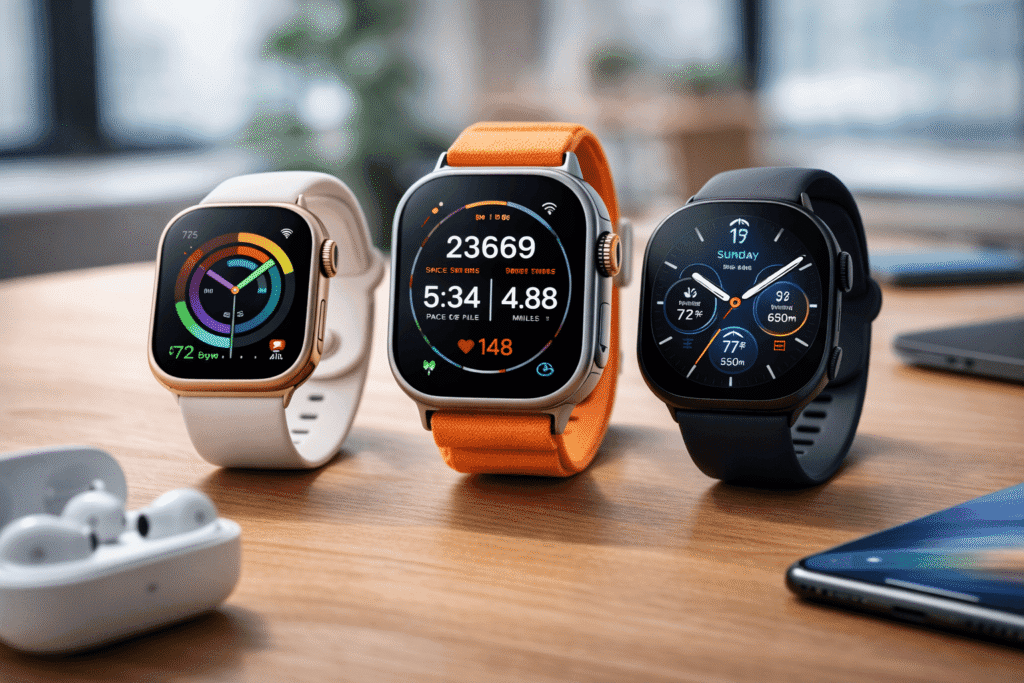
Smartwatch Buying Guide: Fitness, Style, Battery Life Explained
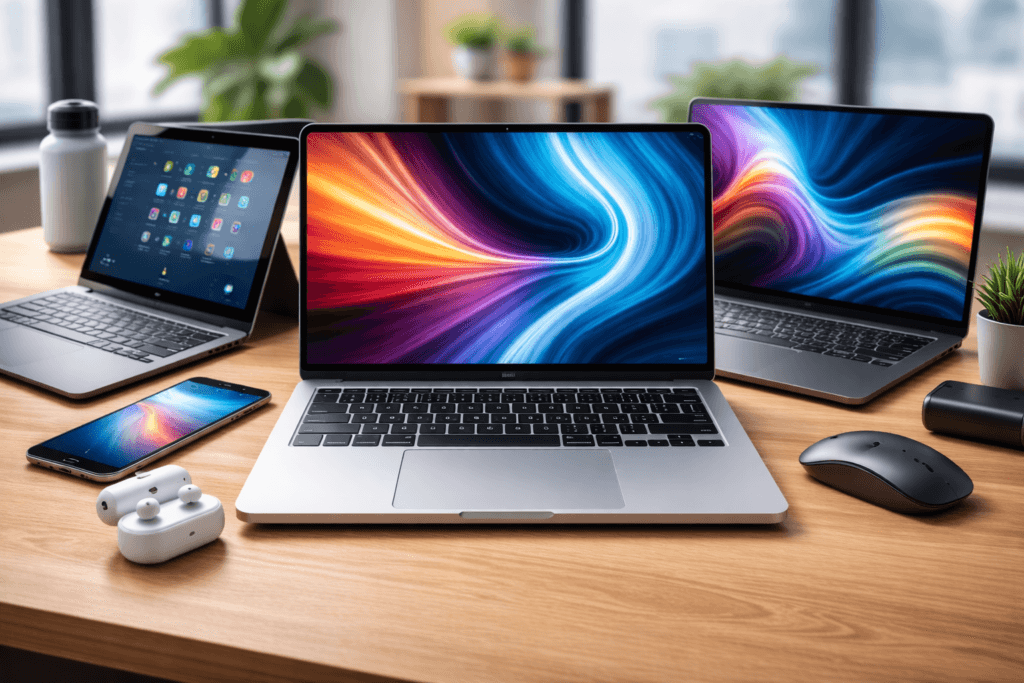
Ultimate Buying Guide: How to Choose the Right Laptop in 2026
Best Tech Gifts for 2026: From Laptops to Smart Home Devices

How to Buy Robux Safely: Full Guide for Parents and New Players in 2026