TV Buying Guide 2026: OLED vs QLED vs LED Explained

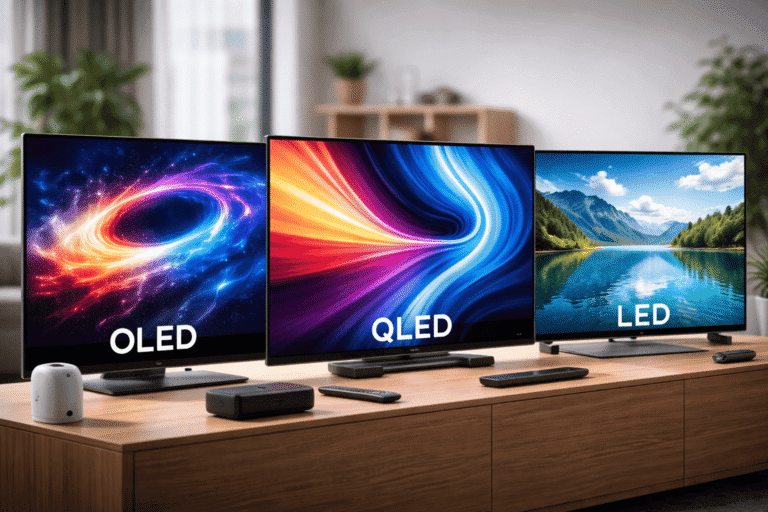
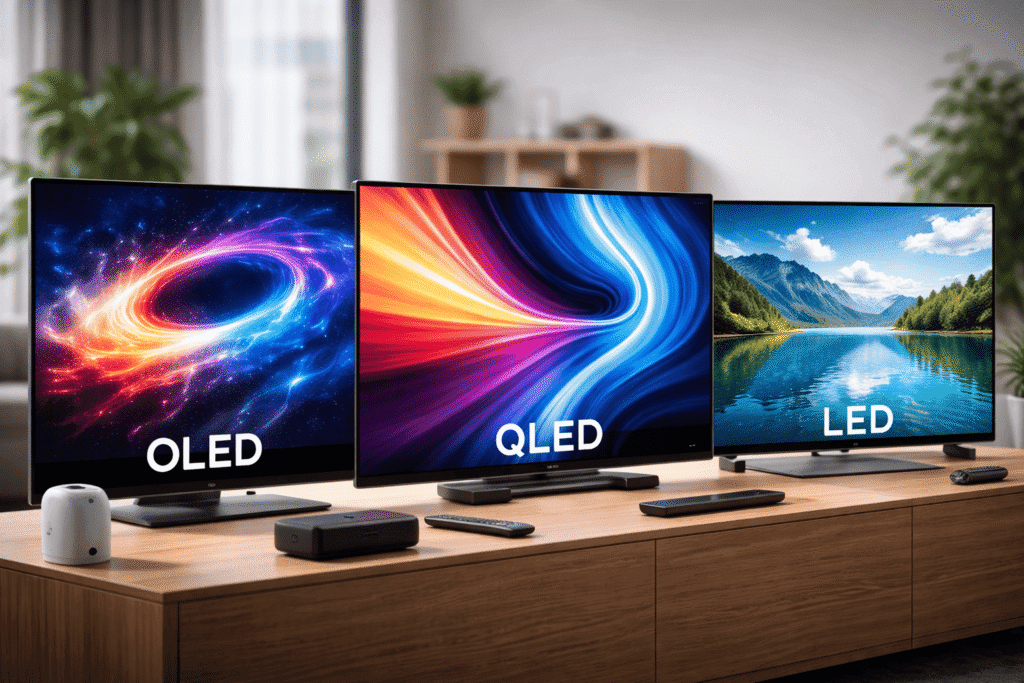
Choosing a new television in 2026 can feel overwhelming. The market is filled with advanced display technologies, aggressive marketing terms, and a wide range of prices that often make it difficult to understand what actually matters. OLED, QLED, and LED TVs dominate the conversation, yet many buyers still struggle to identify the real differences between them. This TV buying guide 2026 is designed to give you a complete and clear explanation in one place. If you want the short answer before diving deeper, here it is. OLED offers the best picture quality, QLED delivers strong brightness and value, and LED remains the most affordable and versatile option. The rest of this guide explains exactly why, how these technologies differ, and how to choose the right TV for your needs in 2026.

TV Buying Guide 2026

Understanding Modern TV Technology in 2026

Television technology has advanced rapidly over the past decade, and by 2026 the differences between OLED, QLED, and LED TVs are more refined but still critically important. All three technologies are built on different approaches to producing light, color, and contrast, which directly affects picture quality and viewing experience.

LED TVs use traditional LED backlighting combined with LCD panels. QLED TVs are essentially LED TVs enhanced with quantum dot technology to improve brightness and color volume. OLED TVs use self emitting pixels that turn on and off individually, eliminating the need for a backlight entirely.

Understanding this foundation is essential when following any TV buying guide 2026. Marketing terms can be confusing, but the core distinction lies in how each TV produces light and manages contrast. This affects everything from black levels and brightness to energy efficiency and lifespan.

Another major shift in 2026 is how TVs are used. Televisions are no longer only for watching cable or movies. They serve as gaming displays, streaming hubs, smart home control centers, and sometimes even productivity screens. This broader role makes choosing the right TV more important than ever.

OLED vs QLED vs LED: Picture Quality and Viewing Experience

When comparing OLED vs QLED vs LED, picture quality is usually the deciding factor for most buyers. Each technology offers a different visual experience based on contrast, brightness, color accuracy, and viewing angles.

OLED TVs are widely considered the gold standard for picture quality. Because each pixel emits its own light, OLED panels can achieve perfect blacks by turning pixels off completely. This results in infinite contrast, exceptional detail in dark scenes, and outstanding cinematic quality. Colors appear rich and natural, and viewing angles remain consistent even when watching from the side.

QLED TVs focus on brightness and color volume. They excel in well lit rooms where high brightness is important. Quantum dot layers allow QLED TVs to produce vibrant colors at higher brightness levels than many OLED panels. This makes QLED a strong choice for sports, daytime viewing, and bright living spaces.

LED TVs offer a more balanced but less premium experience. Picture quality varies widely depending on the quality of the panel and backlighting system. High end LED TVs with local dimming can deliver impressive contrast, but they still cannot match the pixel level control of OLED.

When choosing the right TV, consider where and how you watch. Dark room movie lovers benefit most from OLED. Bright room viewers may prefer QLED. Budget focused buyers often choose LED for versatility and affordability.

Performance, Gaming, and Smart Features

Performance in modern TVs extends beyond picture quality. In 2026, responsiveness, gaming support, and smart features play a major role in overall value.

Gaming performance has become a major selling point. Many OLED, QLED, and LED TVs support high refresh rates, low input lag, and advanced gaming features. OLED TVs often lead in response time due to pixel level control, making them excellent for fast paced gaming. QLED TVs counter with higher brightness, which enhances HDR gaming visuals.

Smart TV platforms are now central to the experience. Streaming apps, voice assistants, and software updates determine how usable a TV remains over time. A good TV buying guide 2026 must emphasize software quality as much as hardware.

Processing power also affects upscaling and motion handling. Modern TVs use AI based processors to enhance lower resolution content, smooth motion, and adjust picture settings dynamically. These features can significantly improve everyday viewing, especially when watching older content.

This section matters more than many buyers realize.

Performance is not only about resolution.

It is about how the TV feels in daily use.

Price, Longevity, and Value Over Time

Price remains one of the most important factors in any TV buying decision. OLED TVs typically cost more due to their advanced technology and manufacturing complexity. However, prices have become more accessible in recent years, making OLED a realistic option for more buyers in 2026.

QLED TVs often offer the best balance between price and performance. They deliver strong brightness, good color accuracy, and large screen sizes at competitive prices. For many households, QLED represents the best overall value.

LED TVs remain the most affordable option and offer the widest range of prices and sizes. Entry level LED TVs are suitable for secondary rooms or casual viewing, while high end LED models can approach premium performance at a lower cost than OLED.

Longevity is another key consideration. OLED panels have improved significantly in durability, and concerns about burn in are far less relevant for typical users in 2026. QLED and LED TVs generally offer excellent lifespan with minimal maintenance.

Value over time depends on how long you plan to keep the TV and how you use it. Paying more upfront can lead to better long term satisfaction if the TV remains relevant and enjoyable for years.

How to Choose the Right TV in 2026

Choosing the right TV in 2026 comes down to understanding priorities rather than chasing specifications. This TV buying guide 2026 emphasizes clarity over complexity.

If you want the best possible picture quality for movies and immersive viewing, OLED is the top choice. If you watch a lot of content in bright rooms or want excellent performance at a slightly lower cost, QLED is a strong option. If budget flexibility and size options matter most, LED remains a practical and reliable choice.

Consider room lighting, viewing habits, screen size needs, and budget. Also think about gaming features, smart platform support, and how long you plan to keep the TV.

OLED vs QLED vs LED is not about which technology is objectively better. It is about which one fits your lifestyle, environment, and expectations.

Final Thoughts

The television market in 2026 offers outstanding options across all three major display technologies. OLED, QLED, and LED TVs each serve different needs and budgets, and none of them are wrong choices when selected thoughtfully.

This TV buying guide 2026 aims to simplify the decision by focusing on real world usage rather than marketing hype. By understanding the strengths and limitations of each technology, you can confidently choose the right TV that delivers enjoyment for years to come.

The best TV is not the most expensive one. It is the one that fits your life.

TV Buying Guide 2026

TV Buying Guide 2026: OLED vs QLED vs LED Explained

TV Buying Guide 2026: OLED vs QLED vs LED Explained Choosing a new television in 2026 can feel overwhelming. The ...
Smartwatch Buying Guide: Fitness, Style, Battery Life Explained

Smartwatch Buying Guide: Fitness, Style, Battery Life Explained

Smartwatch Buying Guide: Fitness, Style, Battery Life Explained Choosing a smartwatch in 2026 is no longer about simply picking a ...
How to Choose the Right Laptop in 2026

Ultimate Buying Guide: How to Choose the Right Laptop in 2026

Ultimate Buying Guide: How to Choose the Right Laptop in 2026  Choosing a laptop in 2026 is no longer just ...
gift ideas 2026

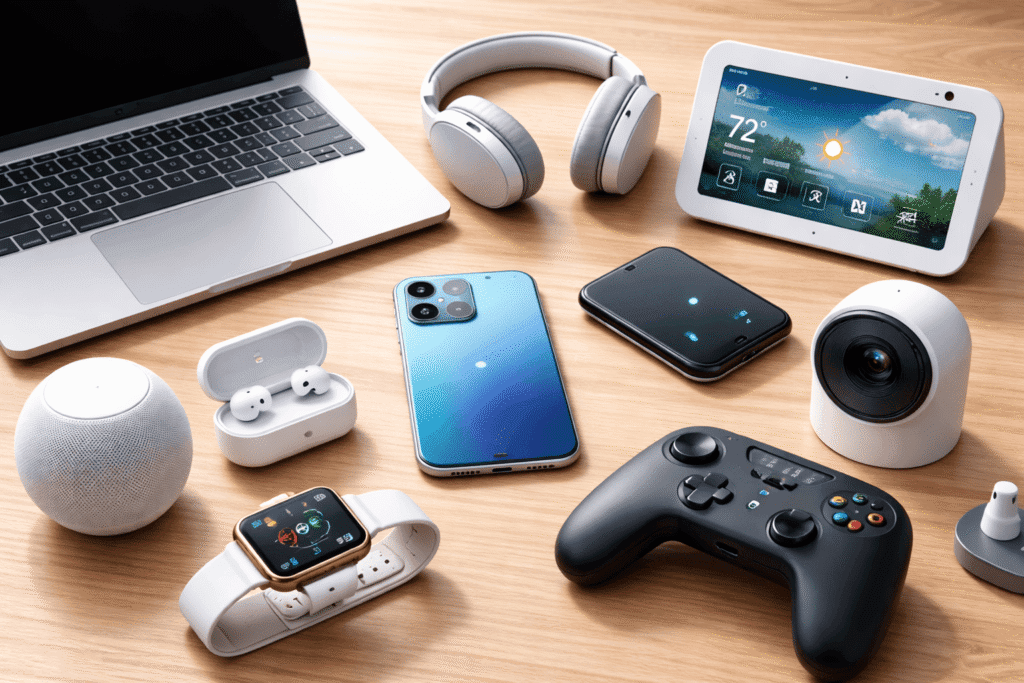
Best Tech Gifts for 2026: From Laptops to Smart Home Devices

Best Tech Gifts for 2026: From Laptops to Smart Home Devices   Technology has become one of the most meaningful ...

How to Buy Robux Safely

How to Buy Robux Safely: Full Guide for Parents and New Players in 2026

How to Buy Robux Safely: Full Guide for Parents and New Players in 2026 This How to Buy Robux Safely ...

Japan Travel Guide 2026

Japan Travel Guide for First-Time Visitors: How to Shop, Eat, Explore, and Move Like a Local in 2026

Japan Travel Guide for First Time Visitors: How to Shop, Eat, Explore, and Move Like a Local in 2026  Traveling ...

Buy Now Pay Later

Global Buy Now Pay Later Expansion – Is BNPL Becoming a Normal Global Payment Method in 2025?

Global Buy Now Pay Later Expansion – Is BNPL Becoming a Normal Global Payment Method in 2025?  Buy Now Pay ...
nvidia

Why NVIDIA Invested $2 Billion in Synopsys and What It Means for the Future of AI Chip Design

Why NVIDIA Invested $2 Billion in Synopsys and What It Means for the Future of AI Chip Design In a ...
What Is RAM (Explained Simply) in 2025

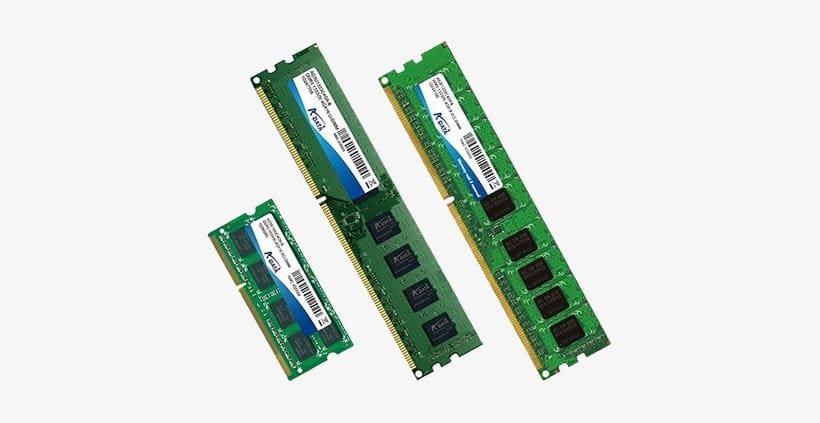
What Is RAM? Explained Simply) in 2025

What Is RAM (Explained Simply) in 2025  RAM, short for Random Access Memory, is the temporary memory that stores running ...

How the OpenAI GPT Store Will Transform AI Productivity in 2025

How the OpenAI GPT Store Will Transform AI Productivity in 2025

How the OpenAI GPT Store Will Transform AI Productivity in 2025  The rise of artificial intelligence over the past few ...

The Psychology Behind Impulse Buying

The Psychology Behind Impulse Buying: Why We Buy What We Buy

The Psychology Behind Impulse Buying: Why We Buy What We Buy  Impulse buying has become one of the most powerful ...

Best Ways to Boost Laptop Speed in 2025

Best Ways to Boost Laptop Speed in 2025 (Without Buying Anything)

Best Ways to Boost Laptop Speed in 2025 (Without Buying Anything)  In 2025, laptops have become the center of almost ...