What Is RAM (Explained Simply) in 2025
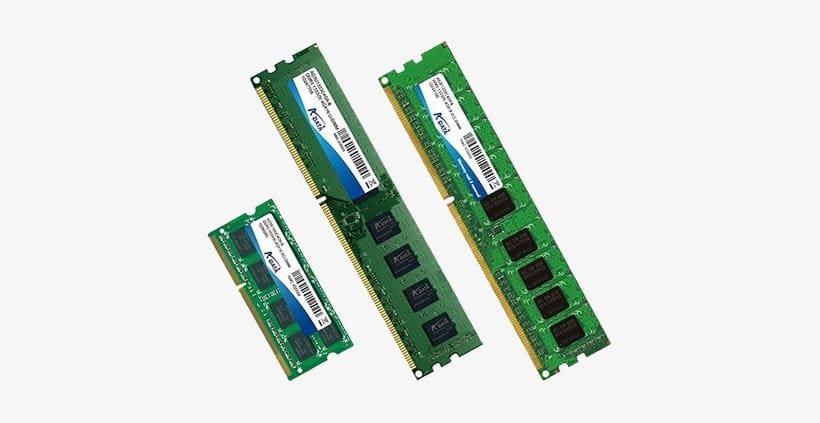
RAM, short for Random Access Memory, is the temporary memory that stores running data and active applications inside any computer, laptop, smartphone, or gaming system. It makes your device fast because it gives the processor instant access to the data it needs right now, instead of loading it slowly from the SSD or hard drive. Without enough RAM, your device becomes slow, apps reload, and programs crash. In this complete guide you will learn what is RAM explained simply, how RAM works, why RAM matters in modern computers, how much RAM you need in 2025 depending on your usage, what is the difference between RAM and storage, and real buying recommendations for students, gamers, and professionals.

What Is RAM (Explained Simply) and Why It Matters in Modern Computers
If someone asks you today What is RAM, most people will answer “memory,” but the real meaning goes much deeper. RAM is the fast temporary memory used by your device to keep active tasks running smoothly. Think about opening Chrome, YouTube, chatting, editing a file, playing a game, switching between applications—every one of these actions requires RAM.
RAM like a desk
Imagine your computer as an office. The CPU is the employee, storage is the filing cabinet, and RAM is the office desk.
The bigger the desk, the more files you can keep open without going back and forth to the cabinet.
The same idea applies to computers:
More RAM = more applications open
More RAM = less lag
More RAM = faster performance
More RAM = better gaming
More RAM = better multitasking
When RAM is full, the system starts using the SSD as temporary RAM, which slows down everything dramatically.
RAM vs Storage (the most common mistake)
People confuse RAM with storage.
But they are totally different things:
RAM = temporary memory
Storage = permanent memory
RAM deletes its content when the device turns off.
Storage keeps your files permanently.
So if you bought a laptop only because “256GB storage” thinking it’s memory, that’s a misunderstanding.
How Much RAM You Need in 2025
This is the most common question today: How much RAM do I need?
The answer depends on your usage:
| Use Case | Recommended RAM |
|---|---|
| Browsing | 8GB minimum |
| Students | 8–16GB |
| Office work | 16GB |
| Graphic design | 16GB |
| Gaming | 16–32GB |
| AI / ML | 32GB+ |
In 2025, RAM needs are increasing because modern software consumes more memory, especially operating systems, browsers, cloud applications, and AI tools.
Even simple Chrome browsing can use more than 6GB today.
Why 4GB RAM is not enough anymore
Windows 11 itself uses 3–4GB.
That means a device with 4GB cannot even breathe. Tabs reload, applications freeze, and the whole computer becomes unusable.
This is why modern laptops start from 8GB minimum.
Types of RAM (Simple)
You may hear terms like:
DDR3
DDR4
DDR5
LPDDR5
Today the standard is DDR4, and new high-performance devices are moving to DDR5, which is significantly faster especially in gaming and AI-optimized laptops.
RAM Speed
You often see numbers like:
3200 MHz
4800 MHz
5600 MHz
More MHz generally means faster RAM and better performance especially in gaming and professional workloads.
However, capacity still matters more than speed.
Single Channel vs Dual Channel
This is a very important factor. Dual-channel RAM means two sticks working together, which increases bandwidth and can improve performance by 20–40% in gaming and editing tasks.
Whenever possible, choose:
8+8GB instead of 16GB single stick
16+16GB instead of one 32GB stick
RAM for Smartphones
Even mobile phones today require a large amount of RAM:
6GB basic
8–12GB recommended
16GB for top performance phones
The reason is simple: apps keep running in the background, including camera processing, social media, AI features, and gaming.
How RAM Works Inside Computers and Why It Affects Real Performance
Now that we explained What is RAM, let’s talk about How RAM works. RAM is extremely fast temporary memory that the CPU uses to load instructions, run software, and manage active tasks. Every second your computer reads and writes billions of data operations inside RAM.
RAM is called “Random Access” because it can access any memory cell directly without waiting, unlike older storage technology. That’s why RAM must be incredibly fast, otherwise modern systems would be unusable.
Why RAM clears after shutdown
RAM is volatile memory, meaning it needs power all the time. When the device turns off, everything inside RAM disappears instantly. Storage on the other hand is non-volatile, so it keeps files forever.
Why RAM prevents lag
When RAM is full, the operating system starts using the SSD as temporary memory. This is called “swap memory,” and it is extremely slow compared to RAM. That’s why:
switching windows becomes slow
programs freeze
Chrome reloads pages
games stutter
If this happens to you often, your laptop needs more RAM.
RAM for Gaming
Gamers always notice the impact of RAM. Modern games load huge textures, maps, physics calculations, and data models. If RAM is low:
FPS drops
stuttering occurs
loading times increase
the game keeps freezing
Most 2025 games require at least:
16GB RAM minimum
32GB ideal for AAA games
RAM for AI
Modern AI applications such as:
local ChatGPT applications
Stable Diffusion
video upscaling
machine learning frameworks
These tasks require enormous memory. Many AI laptops today come with 32GB or even 64GB RAM, and this will continue increasing because AI computing grows extremely fast every year.
RAM Buying Advice
If you are buying a laptop in 2025, choose at least:
16GB RAM
DDR5 if possible
dual channel configuration
upgradable RAM (very important)
Avoid laptops that solder RAM permanently because you lose upgradability.
Conclusion
To summarize What is RAM explained simply, RAM is the temporary space where your device stores active information. It directly affects performance, speed, gaming, multitasking, load times, and AI processing. Without enough RAM, even the fastest CPU becomes slow because the processor cannot access data quickly.
So if you are buying a laptop today, always consider RAM capacity, RAM generation, RAM speed, and upgradability. Choosing the right RAM gives you a faster device that lasts years longer and handles modern software without lag.