The Psychology Behind Impulse Buying: Why We Buy What We Buy
Impulse buying has become one of the most powerful forces shaping modern consumer behavior. While many people believe they make logical, well-planned purchasing decisions, the reality is that much of what we buy is driven by hidden psychological triggers. Understanding The Psychology Behind Impulse Buying helps us uncover why we make spontaneous purchases, what internal emotions influence these decisions, and how brands deliberately design environments that encourage us to buy without thinking.
In 2025, impulse buying is more common than ever, especially with digital platforms transforming the shopping experience. With one-click payments, personalized recommendations, and constant promotional alerts, consumers are surrounded by Impulse buying triggers that tap into their emotions and influence why we buy what we buy. This article explores the science, emotions, and marketing strategies behind impulse purchasing and how it shapes the modern customer journey.
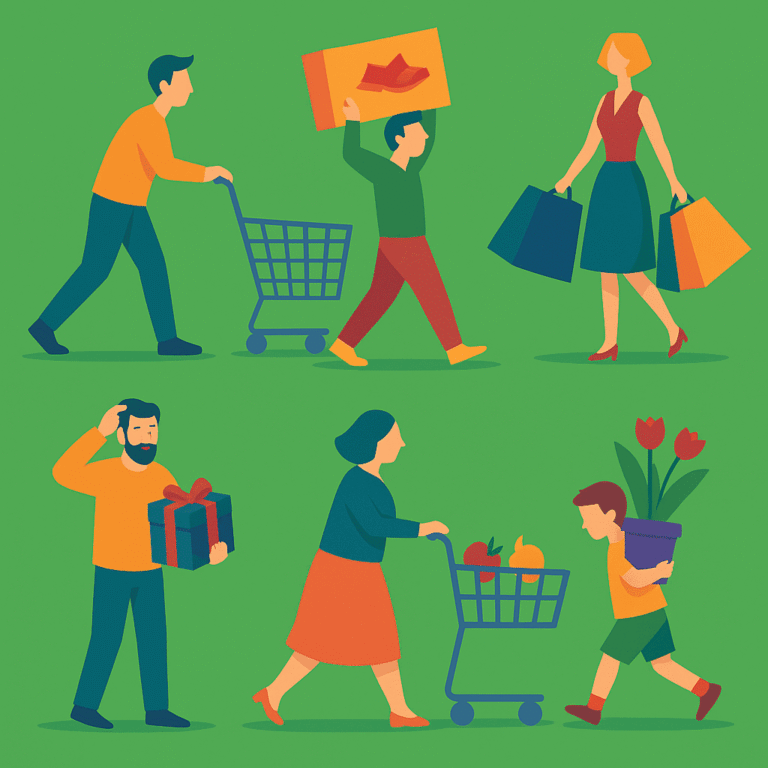
Understanding The Psychology Behind Impulse Buying
To understand The Psychology Behind Impulse Buying, we must first acknowledge that humans are emotional decision-makers. Sometimes we justify our decisions rationally, but the initial drive often comes from emotional impulses. Studies show that nearly 70% of purchase decisions are unplanned, especially in online environments where friction is reduced and buying is effortless.
Consumer psychology reveals that people experience quick emotional reactions when they see products they like, leading to spontaneous shopping behavior. Whether it’s a new gadget, a trending fashion item, or limited-time discounts, emotions kick in faster than logic—making us feel like the purchase is necessary even when it’s not.
Impulse buying is not random; it follows psychological patterns. Marketers deeply understand The Psychology Behind Impulse Buying and design their platforms to encourage these impulses. Bright colors, countdown timers, limited-stock notices, and personalized recommendations are all crafted to target emotional decision-making.
Why We Buy What We Buy, Emotional Triggers Behind Impulse Buying
The question why we buy what we buy is not simple. Many factors shape our decisions, but emotions tend to be the strongest drivers. Here are some of the most influential emotional triggers that fuel Impulse buying triggers:
1. Instant Gratification
One of the core components of The Psychology Behind Impulse Buying is the desire for instant pleasure. When consumers see something attractive, the brain releases dopamine—a “feel good” neurotransmitter—creating excitement. This emotional boost pushes shoppers to buy immediately to maintain that positive feeling.
2. Fear of Missing Out (FOMO)
Offers such as:
“Only 2 left”
“Sale ends in 1 hour”
“Limited-time deal”
activate a sense of urgency. These Impulse buying triggers are powerful because they leverage fear—fear of losing an opportunity. This pushes shoppers to purchase even if they don’t need the item.
3. Self-Identity and Image
People buy items that reflect who they are—or who they want to be. Someone who sees themselves as a fitness enthusiast might impulsively buy gym gear. Someone who values productivity might buy gadgets that promise efficiency. This is essential in understanding why we buy what we buy.
4. Retail Therapy
Many consumers buy things when they feel stressed, bored, or sad. Shopping becomes a coping mechanism, making emotional buying decisions an important part of impulse purchasing behavior.
How Marketing Uses The Psychology Behind Impulse Buying
Businesses today use advanced techniques to influence consumer behavior. Every online store, advertisement, and product placement is strategically designed based on The Psychology Behind Impulse Buying. Here are the most common marketing strategies used:
1. Anchoring Effect
Companies show a high-priced item next to a moderately priced item.
The moderate one suddenly feels like a “great deal.”
This subconscious comparison drives shopping behavior and leads to impulse buying.
2. Social Proof
Customer reviews, ratings, testimonials, and “bestseller” labels heavily influence emotions. Seeing that thousands of people bought an item makes consumers feel safer and more confident in their decision.
3. Scarcity & Urgency
Scarcity is one of the strongest Impulse buying triggers. When shoppers think something is rare or almost sold out, they feel pressured to buy now rather than later.
4. Personalization
AI algorithms analyze consumer behavior and show products they’re most likely to buy. This hyper-targeting increases online impulse purchases dramatically.
Online Impulse Purchases – Why They Are Increasing in 2025
Impulse buying has exploded in the digital marketplace. Online shopping removes many barriers that once slowed down decision-making. Here’s why online impulse purchases continue to rise:
1. Fast and Easy Payment Methods
With Apple Pay, Google Pay, and saved credit cards, the purchase process is now instant. This reduces the “pain of paying” and increases impulse buying behavior.
2. Unlimited Browsing Opportunities
Consumers can scroll through hundreds of products in a matter of minutes. Exposure increases desire, which boosts impulse buying.
3. Smart Recommendation Systems
E-commerce platforms track every click, search term, and viewing pattern. They use this data to show relevant products designed to spark Impulse buying triggers.
4. Emotional Shopping Environments
Online stores craft atmosphere—colors, visuals, call-to-action buttons—that direct users toward emotional decisions rather than logical ones.
Also Read: Temu vs AliExpress: Which Is Better
Gender and Age Differences in Impulse Buying Behavior
Understanding The Psychology Behind Impulse Buying requires examining how demographic factors shape purchasing patterns.
Women
More likely to make impulse purchases related to beauty, home décor, and lifestyle.
Respond strongly to discounts, limited-time deals, and aesthetic product presentation.
Men
More likely to make impulse purchases in tech, gadgets, and gaming accessories.
Influenced by brand reputation, specifications, and product performance descriptions.
Young Adults (18–30)
The most affected group due to mobile shopping, social media influence, and FOMO-driven promotions.
Older Adults
Less impulsive overall, but can still respond strongly to value-based messaging.
The Dark Side of Impulse Buying – Emotional & Financial Impact
While impulse buying may feel good in the moment, it often carries long-term consequences. The emotional impact is an important part of The Psychology Behind Impulse Buying.
1. Buyer’s Remorse
Impulse purchases often lead to regret, especially when shoppers realize they didn’t truly need the item.
2. Financial Stress
Repeated emotional purchases can accumulate into significant financial strain.
3. Emotional Dependency
Consumers may use shopping to cope with stress, loneliness, or boredom—creating an unhealthy cycle.
4. Accumulation of Unused Items
Many people end up with closets, drawers, and digital carts filled with unnecessary items purchased impulsively.
How to Control Impulse Buying – Practical Strategies Backed by Psychology
Understanding why we buy what we buy helps consumers regain control over their purchasing decisions. These techniques are proven to reduce emotional spending:
1. Use the 24-Hour Rule
If something catches your attention, wait 24 hours before buying it.
Over 70% of impulse purchases fade after this waiting period.
2. Remove Saved Payment Methods
Manually entering credit card details adds friction, decreasing spontaneous purchases.
3. Avoid Shopping in Emotional States
Never shop when tired, stressed, or upset. Emotions amplify impulsive behavior.
4. Set a Monthly Discretionary Budget
Allocate a fixed amount for “fun purchases” to avoid overspending.
5. Disable Notifications From Shopping Apps
Notifications are designed to trigger emotional responses.
6. Understand Your Personal Triggers
Whether it’s boredom, ads, stress, or social media influence, knowing your triggers helps you control your actions.
The Future of Impulse Buying – AI, Personalization, and Behavior Prediction
The next evolution of The Psychology Behind Impulse Buying is deeply connected to artificial intelligence. AI-driven systems can now:
Predict emotional states based on browsing behavior
Suggest products aligned with a user’s mood
Create dynamic pricing based on willingness to pay
Target ads at moments of emotional weakness
Automate personalized promotions in real time
With hyper-personalization becoming the norm, online impulse purchases will only continue rising. Consumers will need to strengthen their awareness to avoid manipulation and make healthier buying decisions.
Understanding The Psychology Behind Impulse Buying gives us a deeper look into the emotional and psychological processes shaping modern shopping habits. Whether driven by instant gratification, FOMO, social proof, or personalized marketing, impulse buying plays a major role in shaping why we buy what we buy.
As digital platforms become more intelligent and persuasive, recognizing these triggers becomes essential. Awareness helps consumers make smarter financial decisions and prevents emotional spending cycles. Businesses will continue leveraging Impulse buying triggers, but informed shoppers can balance desire with discipline—creating a more conscious, intentional buying experience.
TV Buying Guide 2026: OLED vs QLED vs LED Explained
Smartwatch Buying Guide: Fitness, Style, Battery Life Explained
Ultimate Buying Guide: How to Choose the Right Laptop in 2026
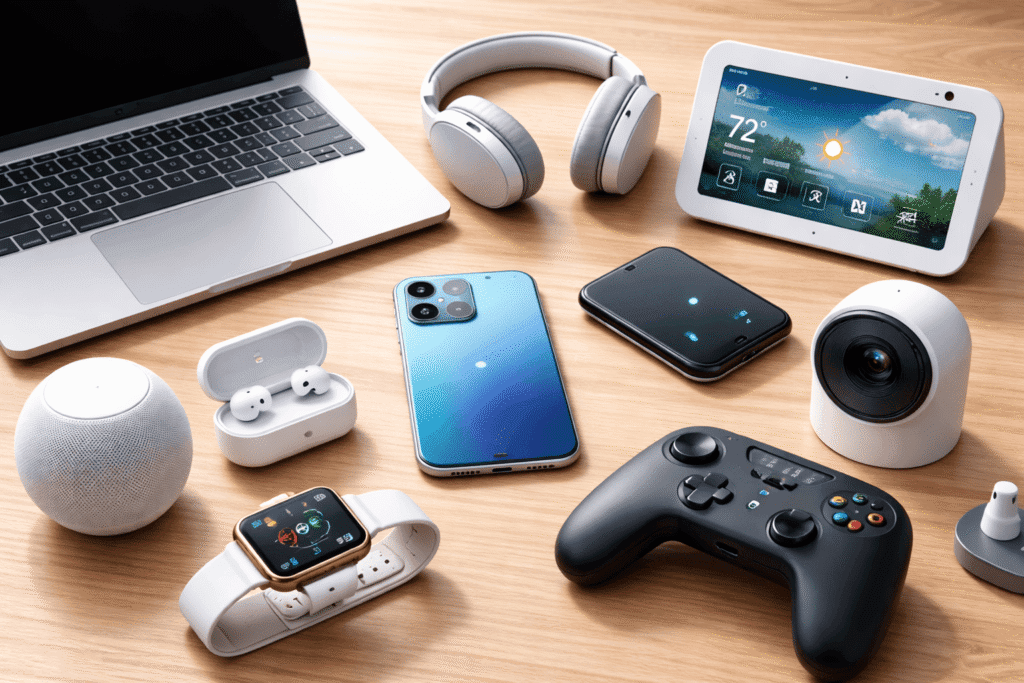
Best Tech Gifts for 2026: From Laptops to Smart Home Devices

How to Buy Robux Safely: Full Guide for Parents and New Players in 2026